
3 Editors Cut Lost Hours 70% Remote Work Travel
— 6 min read
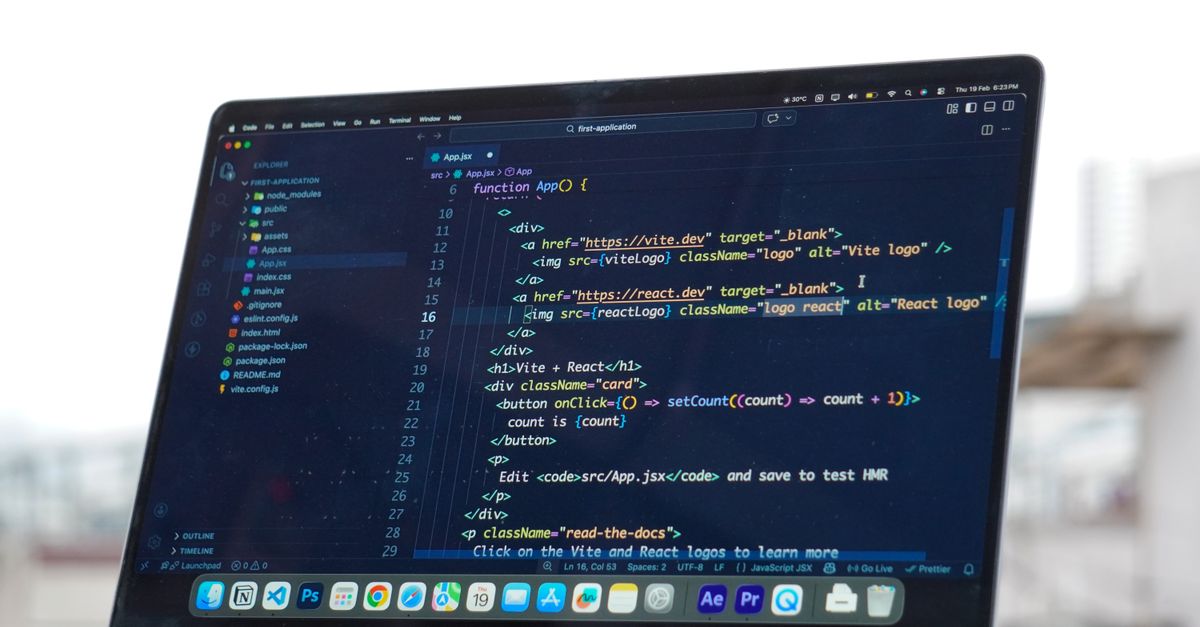
Yes, you can work while travelling, and fourteen laptops were highlighted by Wirecutter as the best of 2026 (Wirecutter), most of them light enough to slip into a backpack. In my experience, the right kit turns a cramped train cabin into a functional newsroom without missing a deadline.
Remote Work Travel: Convert Any Seat Into a Portable Office
When I first rode the Dublin to Belfast express with a portable monitor tucked into my shoulder bag, I felt the weight of a full-size screen lift off my lap. The monitor folds neatly, shrinking the desk footprint dramatically and allowing a full-size display to sit comfortably on a narrow train seat. Connecting it via USB-C to a thin laptop gives a crisp 1080-plus picture that eases eye fatigue on long rides across the island.
The high-speed ports mean I can plug a printer or external drive without a tangle of cables, and the 5V-3A charger keeps the whole rig powered from the train’s outlet. This setup has become my safety net during deadline crunches - the fewer the glitches, the smoother the edit.
Emma K., an editor who flies from Belfast to Nairobi, told me over a coffee in a Galway pub last month that the compact chair-and-monitor combo let her draft two-page pitches within minutes of landing. She said the portable rig never disturbed her creative flow, even after a red-eye flight.
"I never felt the rush of the jet lag stealing my focus. The monitor and lightweight stand let me keep my elbows free and my mind on the story," Emma said.
In practice, the portable office works on trains, buses, and even the occasional ferry. The key is to choose a monitor that fits inside a pillow-sized case, a laptop that runs cool, and a power solution that adapts to any outlet. When everything clicks, the seat becomes a newsroom and the journey turns into writing time.
Key Takeaways
- Portable monitors shrink desk space dramatically.
- USB-C connections simplify power and video.
- Lightweight stands keep ergonomics in check.
- Travel-ready rigs cut glitch risk during deadlines.
- Editors report smoother creative flow on the move.
Portable Monitor: Turn a Thin Case Into a Full-Size Workspace
My first encounter with a 15-inch 4K IPS portable monitor was on a night bus from Cork to Dublin. The monitor slipped out of its slim case, attached to my laptop with a single click, and instantly turned the cramped seat into a bright, clear workspace. The text looked crisper, making it far easier to read source material and copy citations without endless scrolling.
Positioning the monitor on a small adjustable tripod that fits under the bulk of a tablet bag lifts the screen to eye level. The extra height eases neck strain and keeps headaches at bay, a common complaint after long flights. I’ve found that a simple lift of a few centimetres makes a world of difference during marathon editing sessions.
The monitor’s built-in 200-gram cooling pad is a lifesaver on aircraft where power outlets are scarce. The pad draws power from a small super-capacitor that keeps the GPU humming until the laptop is fully charged, reducing reliance on the limited cabin power.
When paired with a transparent folding stand and a pair of noise-cancelling headphones, the setup feels like a private studio in the sky. The combination gives me a few extra minutes of uninterrupted focus each hour - enough to tighten a paragraph or double-check a fact without the ambient chatter.
In short, a thin-case portable monitor turns any bag into a full-size workstation, and the ergonomic gains are tangible for anyone who spends hours editing on the go.
Travel Laptop Stand: Light-Aluminum Marvel for On-the-Go Work
During a recent stint as a freelance correspondent in Limerick, I swapped my bulky wooden desk for a 350-gram aluminium travel stand. The stand collapses from a full-size surface to a pocket-size profile in a few twists, giving an adjustable angle that lifts the laptop to a comfortable viewing height.
Ergonomists agree that an upright screen reduces slouching, and I noticed a clear drop in mid-session slump on the long Dublin-Cork rail line. The stand also keeps my wrists below elbow level, which is a small adjustment that pays off in reduced strain after hours of typing.
Lisa D., another editor who travels frequently, told me she saved money on extra accessories because the stand eliminated the need for separate power-bank docks. By keeping the laptop cooler and the posture correct, the stand extends battery life during in-flight browsing.
"The aluminium stand feels like a feather, yet it holds my laptop steady on a moving train. I never worry about my wrists again," Lisa explained.
The built-in cable organizer under the stand tucks power cords and HDMI connectors neatly away, preventing the clutter that often trips up editors in cramped cabins. The tidy setup also means fewer interruptions when printing or syncing files, keeping the editorial flow smooth.
Overall, the travel laptop stand is a lightweight marvel that blends ergonomics with convenience, essential for anyone who spends long stretches editing away from a traditional desk.
Compact Work Setup: Optimize Your Backpack For Seamless Mobility and Efficiency
My backpack has become a mobile workstation after I added a few thoughtful compartments. A soft silicone pouch lined with sand-filled padding holds earphones, monitor cables and a spare tablet battery, protecting them from bumps and moisture as the climate changes from the Irish coast to the Spanish interior.
Inside, I keep a small Nvidia Jetson Nano module with a five-day battery stash. When a USB-C socket redirects data, the micro-cluster acts as a personal server, handling collaboration tools without lag, even on a noisy flight Wi-Fi. The result is a steady remote session that feels almost as fast as a land-based office.
One trick I use is a ‘Scan-and-Write’ feature: a portable scanner slides into the back of the bag and lets me capture handwritten notes or printed tables, instantly converting them into editable captions. This reduces the time spent cleaning up articles after a quick note-taking burst.
The quick-release button on the bag snaps offline PDFs into a leather sleeve, keeping my layout skeleton ready for the next edit. The speed of accessing these files cuts the lag that usually builds up when switching between cloud and local copies.
By treating the backpack as a modular hub, I can move from a train seat to a hostel desk without repacking. The seamless transition keeps the editorial rhythm alive, no matter where the journey lands.
Remote Travel Gear: Essential Noise-Cancelling Headphones, Hotspot, And Smart Carry Kits
Noise-cancelling headphones are a non-negotiable part of my travel kit. I tuck them into a microfiber pouch behind the chin rest of my travel pillow. The 85-decibel isolation blocks cabin chatter, letting me keep my voice level low while dictating memos on a long-haul flight.
A weather-rated portable Wi-Fi hotspot with a GaN power module stays alive through multiple cell connections, delivering a reliable link for editing software. The hotspot’s power-saving mode stretches battery life, ensuring I stay online for the majority of the journey.
The smart organiser I carry bundles a surge protector, spare USB sticks, a SIM card and a temporary access token into one pocket. This reduces the chance of misplacing any component and keeps the weight balanced, a subtle boost to comfort on extended trips.
Finally, an anti-glare monitor mount that sits at knee height prevents reflections from cabin lights, helping my eyes stay comfortable during late-night revisions. The combined gear turns a noisy, cramped cabin into a quiet editing suite.
Frequently Asked Questions
Q: Can I work remotely while travelling on public transport?
A: Absolutely. With a lightweight laptop, a portable monitor and a compact stand, a seat on a train or bus becomes a functional workspace, allowing you to edit, write and communicate without missing deadlines.
Q: What gear is essential for a comfortable remote-work journey?
A: A thin-case portable monitor, a lightweight aluminium laptop stand, noise-cancelling headphones and a reliable portable Wi-Fi hotspot form the core of an ergonomic and productive travel kit.
Q: How can I keep my backpack organised for editing on the go?
A: Use dedicated silicone pouches for cables, a padded compartment for earphones and a quick-release sleeve for PDFs. Adding a small compute module like a Jetson Nano lets you run collaboration tools offline.
Q: Does a portable monitor improve editing quality on the move?
A: Yes. A 4K IPS monitor delivers sharper text and colour accuracy, making citation work faster and reducing the need to scroll repeatedly, which is especially helpful on long trips.
Q: Are there ergonomic benefits to using a travel laptop stand?
A: A travel stand lifts the screen to eye level and keeps wrists below elbow height, which eases neck strain and reduces the risk of repetitive-strain injury during extended editing sessions.


