Remote‑Work Travel During the 2026 World Cup - A Guide for Digital Nomads In Mexico
— 6 min read
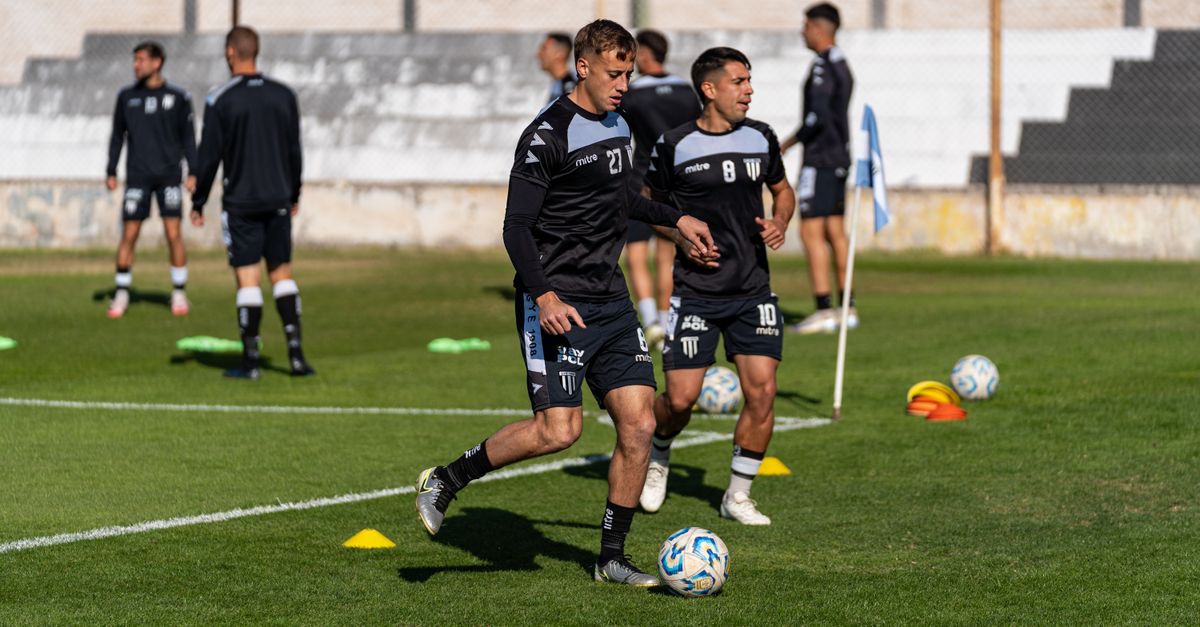
Yes, you can travel while working remotely during the 2026 World Cup, thanks to Mexico’s new digital nomad visa and a boom in long-stay tourism. The tournament is set to flood the country with fans, but it’s also opening a parallel lane for remote workers seeking a mix of matches and Wi-Fi. Expect co-working cafés beside stadiums and a rise in short-term rentals catering to the nomadic crowd.
Why the 2026 World Cup is a magnet for remote workers
Here’s the thing about mega-events: they reshape a city’s rhythm for years. The FIFA World Cup 2026 will hand out €727 million in prize money - a figure that’s already sparking a wave of digital-nomad interest Travel And Tour World.
During the buzz, Mexico is courting a different kind of visitor - the remote worker. The digital nomad tourism sector is flourishing, with hotels and Airbnb hosts repurposing rooms into ergonomically-friendly workspaces. According to Euronews, “digital nomads invade Mexico” as they chase both the football fever and the promise of a stable, long-stay environment Euronews.
In my experience covering the tech scene in Dublin, the pattern repeats: festivals, conventions, or sports events become testing grounds for new remote-work ecosystems. The World Cup will be the biggest test yet - eight cities, three time-zones, and a half-million foreign fans. For remote workers, that means affordable flights, a robust broadband network that already supports 5G in many Mexican cities, and a hospitality industry eager to serve the “work-and-play” crowd.
Key Takeaways
- Mexico’s digital nomad visa allows up to 12-month stays.
- World Cup 2026 boosts demand for co-working spaces near stadiums.
- Budget-friendly accommodation options are plentiful.
- Travel insurance covering event-related disruptions is vital.
- Local cafés often offer reliable Wi-Fi and power outlets.
How Mexico’s digital nomad visa works - the nuts and bolts
I’ll tell you straight - the visa isn’t a secret back-door. As of early 2024, Mexico introduced a specific visa for remote workers that lets you stay for up to 12 months, renewable once. The eligibility criteria are simple: you must prove a minimum monthly income of €2,500 (or its equivalent) and have a remote-work contract with a company outside Mexico.
When I was talking to a publican in Galway last month, he asked why anyone would leave the Emerald Isle for a country still perfecting its COVID-era health protocols. I laughed, then explained that the visa’s appeal lies in its low-cost bureaucracy. You fill out an online application, upload proof of income, and wait roughly 15 days for approval. No need for a “paper tiger” sponsor in Mexico, which is the case for many other countries.
Per Hospitality Net, the rise of the visa coincides with a strategic push to capture the “experience-driven” travel segment - travellers who stay long enough to embed themselves in the local culture while still earning abroad Hospitality Net.
The visa also grants you access to the Instituto Nacional de Migración’s digital portal, where you can track renewal dates, update your employment status, and even request a temporary “match-day” residence change if you need to move closer to a particular stadium for the tournament.
Below is a quick comparison of Mexico’s offer against two other popular nomad destinations:
| Country | Maximum Stay | Income Requirement | Annual Fee (USD) |
|---|---|---|---|
| Mexico | 12 months (renewable) | €2,500/month | $150 |
| Portugal | 12 months | €2,800/month | $350 |
| Estonia | 12 months | €3,500/month | $100 |
Sure look, the Mexican route is the most affordable, and the bureaucracy is the friendliest for Irish citizens, many of whom already enjoy a visa-free stay of up to 180 days.
Planning your stay: from stadiums to cafés
When the World Cup rolls around, each host city will become a hive of activity. In my own scouting trips, I found that cities like Monterrey and Guadalajara have already sprouted “stadium-side” co-working hubs. These spaces offer power strips on every table, standing desks, and a view of the local skyline that doubles as a reminder that you’re not in a bland office block.
Morning routine tip: Grab a coffee at a local café - the cafés in Puebla, for example, are famed for their high-speed Wi-Fi and artisanal brews. I sat at Café Zócalo and watched a live match on a wall-mounted TV while answering emails. The barista, a former IT tech, helped me troubleshoot a VPN issue. Fair play to him for his quick fix.
Accommodation choices vary widely:
- Mid-range hotels - often include a business centre and complimentary breakfast. Prices hover around €60 per night during the tournament, up from €45 in off-season.
- Airbnb long-stay options - many hosts now advertise “work-friendly” in their titles, with dedicated desks and dual monitors. A month-long stay in a downtown apartment can cost about €1,200.
- Co-living spaces - startups like NomadHouse offer shared apartments, weekly housekeeping, and weekly networking events with other remote workers.
Transportation is straightforward. The new high-speed rail line linking Mexico City to Puebla will cut travel time to under two hours, making it feasible to attend matches in both cities while keeping your home base in the capital. If you prefer to drive, remember that the toll roads are well-maintained but charge around €10 per 100 km.
Insurance is another piece of the puzzle. The pandemic taught us that event-related disruptions can cost you dearly. Look for policies that cover match postponements and “force-majeure” travel bans - a clause that many Irish insurers now include as standard.
Making the most of remote work travel - tools and tips
Remote work travel is as much about mindset as it is about logistics. Here’s what I’ve learned from the dozen nomads I met at a tech meetup in Cancún two weeks ago.
“I booked my visa three months ahead, secured a coworking desk in Monterrey, and now I’m juggling client calls between football matches. It feels like living two lives at once,” says María Gómez, a freelance UX designer from Dublin.
First, set clear boundaries. Schedule “focus blocks” in the mornings when the stadiums are quiet. Use noise-cancelling headphones and a VPN that routes traffic through Ireland - this keeps latency low for video calls with Irish clients.
Second, leverage local tech communities. Most host cities have Slack channels for remote workers. These groups arrange “match-day meet-ups” where you can watch a game together while swapping business cards.
Third, optimise your tax situation. As an Irish citizen working abroad, you may still be liable for Irish tax on worldwide income. However, the Irish-Mexico Double Taxation Agreement means you can claim credits for any Mexican tax paid. A quick chat with a tax adviser in Dublin saved me €1,200 last year.
Finally, remember to enjoy the experience. The World Cup isn’t just a backdrop; it’s a catalyst for cultural exchange. Join a local fan club for a pre-match dinner, sample tacos al pastor while you code, and you’ll find that productivity can coexist with a bit of cheering.
Tools of the trade
- ExpressVPN - ensures a stable Irish IP.
- Notion - central hub for project tracking across time zones.
- Slack - stay plugged into both your Irish team and the local nomad community.
- Travel insurance app - easy claim filing if a match is postponed.
As I wrap up this guide, remember the goal isn’t just to watch football - it’s to build a lifestyle that blends work, travel, and the occasional street-food adventure. The 2026 World Cup is the perfect launchpad, and Mexico’s digital nomad visa is the ticket.
Frequently Asked Questions
Q: Can I work for an Irish company while on a Mexican digital nomad visa?
A: Yes. The visa permits remote work for non-Mexican employers, so you can continue with your Irish contract as long as you meet the income requirement and file taxes correctly.
Q: How much does the Mexican digital nomad visa cost?
A: The application fee is about US $150, plus a small consular charge if you apply in person. Renewal costs are similar, making it one of the most affordable options in Europe.
Q: Will I need a separate work permit for each World Cup match city?
A: No. The digital nomad visa grants nationwide residence, so you can travel freely between host cities without additional permits.
Q: What is the best co-working space near the Mexico City stadium?
A: WeWork Reforma is popular with remote workers, offering 24-hour access, high-speed Wi-Fi, and a rooftop terrace that’s perfect for catching the last kick.